Why Hawaii homes need corrosion-resistant, humidity-ready appliances
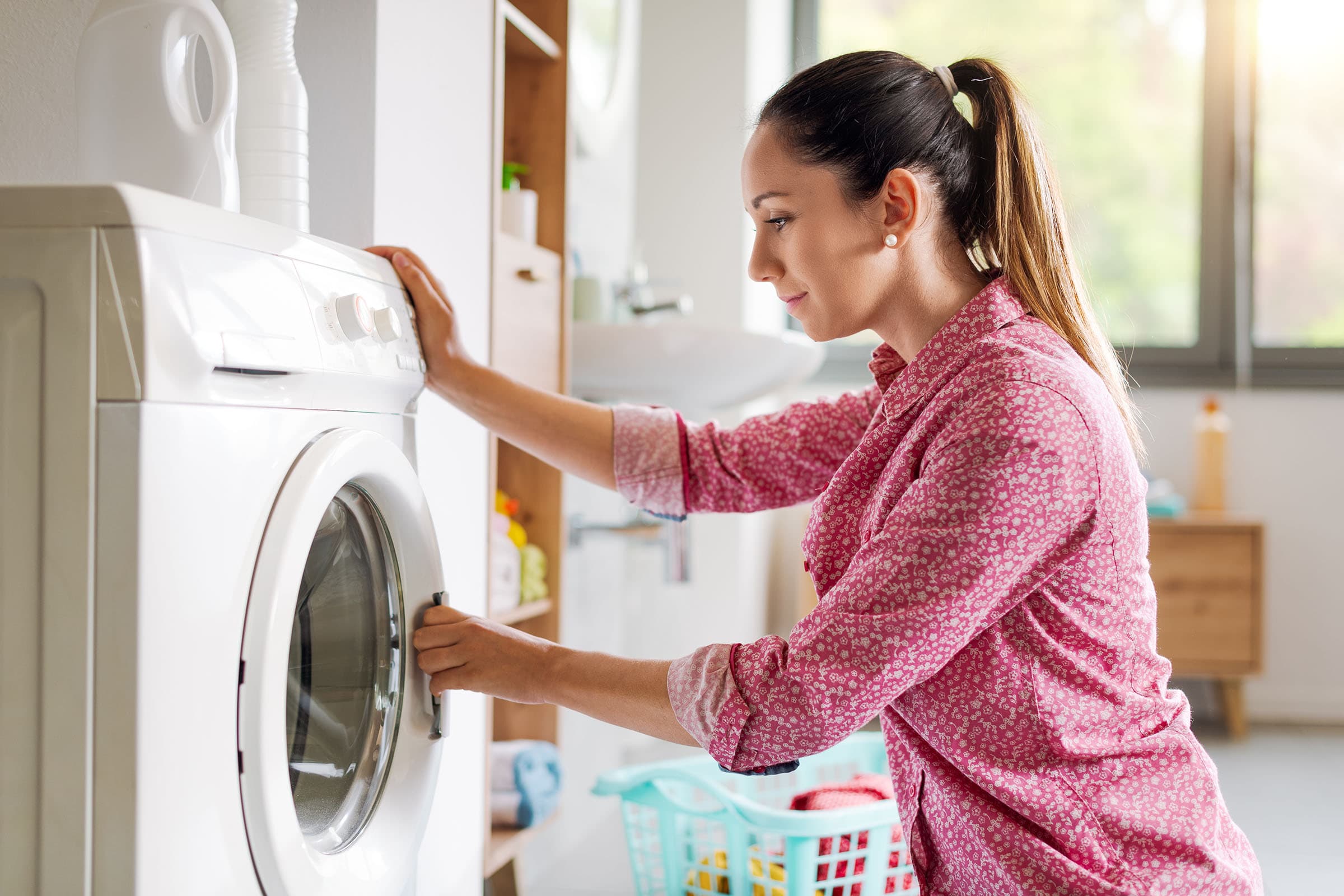
Hawaii’s island climate does more than make the air feel damp. It can shorten appliance life, increase rust and corrosion, encourage mold, and make everyday machines work harder than they should. Here’s how Hawaii shoppers can choose appliances that are better suited to island homes and what to do to help them last longer.
Key takeaways
Hawaii’s humid, salt-heavy island climate puts extra strain on washers, dryers, refrigerators, and home electronics.
When shopping for appliances in Hawaii, it helps to prioritize corrosion-resistant materials, moisture-control features, stronger airflow, and design details that reduce mold and trapped humidity.
Snap’s lease-to-own financing can help Hawaii shoppers choose appliances built for their climate instead of settling for a lower-performing model.
In Hawaii, moisture is not just part of the forecast. It is constant environmental pressure inside the home. Between humidity, salt air, warm temperatures, and year-round exposure to ocean-influenced conditions, appliances often have to work harder just to do their normal job. That can mean more rust, more mold, more condensation, and parts that wear out sooner than expected.
Those conditions are part of a broader environmental pattern across the Pacific, where long-term warming, record-high sea surface temperatures, rising sea levels, and shifting precipitation are adding even more stress to island environments. For Hawaii households, that means moisture, heat, and salt exposure are not occasional concerns. They are part of daily life, and appliances feel that pressure, too.
That is why Hawaii shoppers should think beyond color, capacity, and price tag. In an island climate, the right appliance features can help protect performance, reduce maintenance headaches, and make everyday use a lot less frustrating.
Why Hawaii is especially hard on appliances
Hawaii’s island climate can keep indoor moisture levels elevated while also exposing homes to salt air, increasing the risk of mold, corrosion, and other moisture-related problems.
Salt-air corrosion
In Hawaii, humidity is only part of the issue. Salt-laden air can also accelerate corrosion, even indoors.
That matters for more than outdoor fixtures or exposed metal. Many modern appliances rely on metal fasteners, connectors, coils, control boards, and internal components. When those parts are exposed to damp, salty air over time, the risk of rust and premature wear can rise.
High-humidity build-up
Washers deal with moisture by design, but in humid homes that moisture tends to linger longer. Front-load washers are especially vulnerable because water can collect around the door gasket and other tight interior spaces.
That does not mean every front-loader is a bad fit. It means Hawaii shoppers should be more selective. A washer that traps moisture is more likely to develop mold, require extra cleaning, and create that musty smell nobody wants near towels or clothing.
Refrigerator stress from temperature swings
Hawaii kitchens can be rough environments for refrigerators. Warm, moist air rushing into the appliance every time the door opens can force the system to work harder to maintain stable temperatures. Over time, that can contribute to more wear on key components and less efficient day-to-day performance.
Electronics and sensors fail faster
Salt and moisture do not just affect visible surfaces. They can also degrade circuitry.
Many modern appliances depend on sensors, control panels, wiring, and electronic boards to function properly. In island conditions, those components may face more stress over time, especially when humidity and salt air are both part of the environment.
Appliances that perform best in island environments
Hawaii shoppers do not need a completely different category of appliance, but they should look more closely at features that help resist corrosion, control moisture, and support consistent performance.
Washers
If you are shopping for a washer, prioritize features that help the machine dry out after each cycle and reduce the chance of mold or rust buildup.
Stainless steel and anti-rust interior components
Mold-resistant gaskets or antimicrobial components around the door area
Extra rinse, sanitize, or tub-clean cycles that support deeper cleaning
Easy-access detergent drawers and seals that are simpler to wipe dry
Dryers
In a humid island region, stronger airflow and corrosion resistance can make a noticeable difference in how laundry feels and how long cycles take.
Corrosion-resistant drums and internal components
Enhanced airflow for better moisture exhaust
Ventless or heat-pump options for smaller homes where venting is limited
Clear lint access and maintenance-friendly design
Refrigerators
For Hawaii homes, durability and moisture control matter just as much as capacity.
Anti-corrosion coil coatings that help protect vulnerable components
High-performance compressors for more consistent cooling
Salt-resistant metal finishes
Strong door seals and stable temperature management
Appliance maintenance every Hawaii household should do
The right appliance matters, but day-to-day habits matter, too. A few small routines can help reduce trapped moisture, limit corrosion, and help your machines last longer.
Run dehumidifiers near appliance zones when indoor moisture stays elevated
Clean rust-prone screws, hinges, and exposed surfaces often
Use air purifiers to help reduce salt-air intrusion inside the home
Keep the washer door open between loads so the drum and gasket can dry
How lease-to-own financing helps Hawaii families buy durable, climate-ready appliances
Island shoppers should not have to choose between getting an appliance now and getting one that is actually built for their climate. When humidity is hard on washers, dryers, and refrigerators, choosing the better model upfront can help reduce stress later.
That is where Snap’s lease-to-own financing can help. Instead of settling for a basic appliance that may struggle in Hawaii conditions, approved customers can get the features that matter more in a humid home, then pay over time. With Snap, shoppers can apply in minutes and get a decision in seconds. Approved customers may receive $300 to $5,000 in lease-to-own financing and use it at participating retailers. All credit types are welcome to apply.¹
Here is what that can mean for shoppers:
No credit needed¹
Smaller regular payments over time
Access to better moisture-control features
A better chance of choosing a model that fits island living
For shoppers replacing a washer that smells musty, a dryer that never seems to finish the job, or a refrigerator that struggles in the heat, that flexibility can make a real difference.
Choose for The Aloha State, not the showroom
In a dry climate, you might get away with choosing almost any appliance and hoping for the best. In Hawaii, humidity changes that math. Moisture, heat, and coastal air can all add wear where you do not always see it at first.
So when you shop, look for appliances that are ready for real Hawaii conditions. A washer that is easier to dry out. A dryer with stronger moisture sensing. A refrigerator with better humidity control. Those choices can help protect performance, reduce frustration, and keep your home feeling fresher.
And when you need a pay-over-time option, Snap’s lease-to-own financing can help you get the appliance that fits your home now, not just the one that feels like a compromise today.
Interested in learning more? Check out these resources from Snap Finance:
The appliance buying guide: What to look for in a new fridge, washer, or oven
Energy-saving appliances save money (and the planet) year-round
How to tell if it’s time to replace your old appliance
The advertised service is a lease-to-own agreement provided by Snap RTO LLC. Lease-to-own financing is not available to residents of Minnesota, New Jersey, and Wisconsin.
1 Not all applicants are approved. While no credit history is required, Snap obtains information from consumer reporting agencies in connection with applications, and your score with those agencies may be affected.