Why Louisiana homes need appliances designed for extreme humidity
Louisiana humidity can wear appliances down fast. From moldy washers to sweating refrigerators, Gulf Coast moisture creates real problems inside the home. Here’s how to choose appliances built for high-humidity conditions and how Snap’s lease-to-own financing can help you get what you need without paying the full cost upfront.
Key takeaways
Louisiana’s year-round humidity can lead to mold, rust, condensation, and faster appliance wear.
The right appliance features can help reduce moisture-related problems in washers, dryers, and refrigerators.
Snap’s lease-to-own financing can help shoppers get climate-appropriate appliances now and pay over time.
In Louisiana and along the Gulf Coast, humidity is not just part of the forecast. It is constant environmental pressure inside the home. Between year-round moisture, frequent storms, and poor airflow in many older houses, appliances often break down faster and need more maintenance than shoppers expect.
According to NOAA climate data, the Gulf Coast can expect to experience more intense humidity, especially during the warmest parts of the year. That is why Louisiana shoppers should think beyond color, capacity, and price tag. In a humid climate, the right appliance features can help protect performance, reduce maintenance headaches, and make everyday use a lot less frustrating.
The appliance challenges unique to the Gulf Coast
Gulf Coast humidity is extreme, and that extra moisture affects more than comfort. It can shorten appliance lifespan, increase cleaning demands, and create performance issues that are easy to miss until they become expensive.
Extreme mold risk in washers
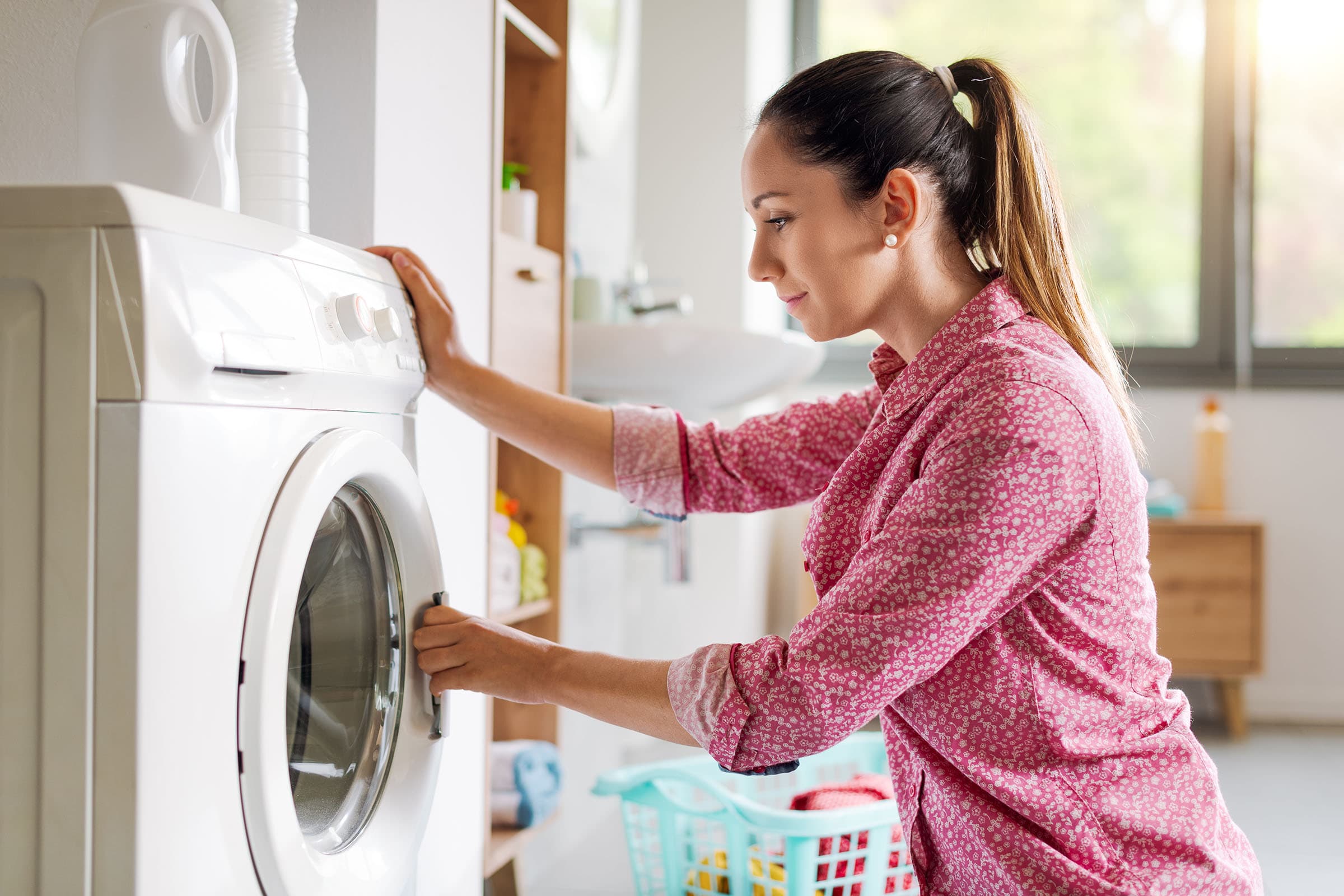
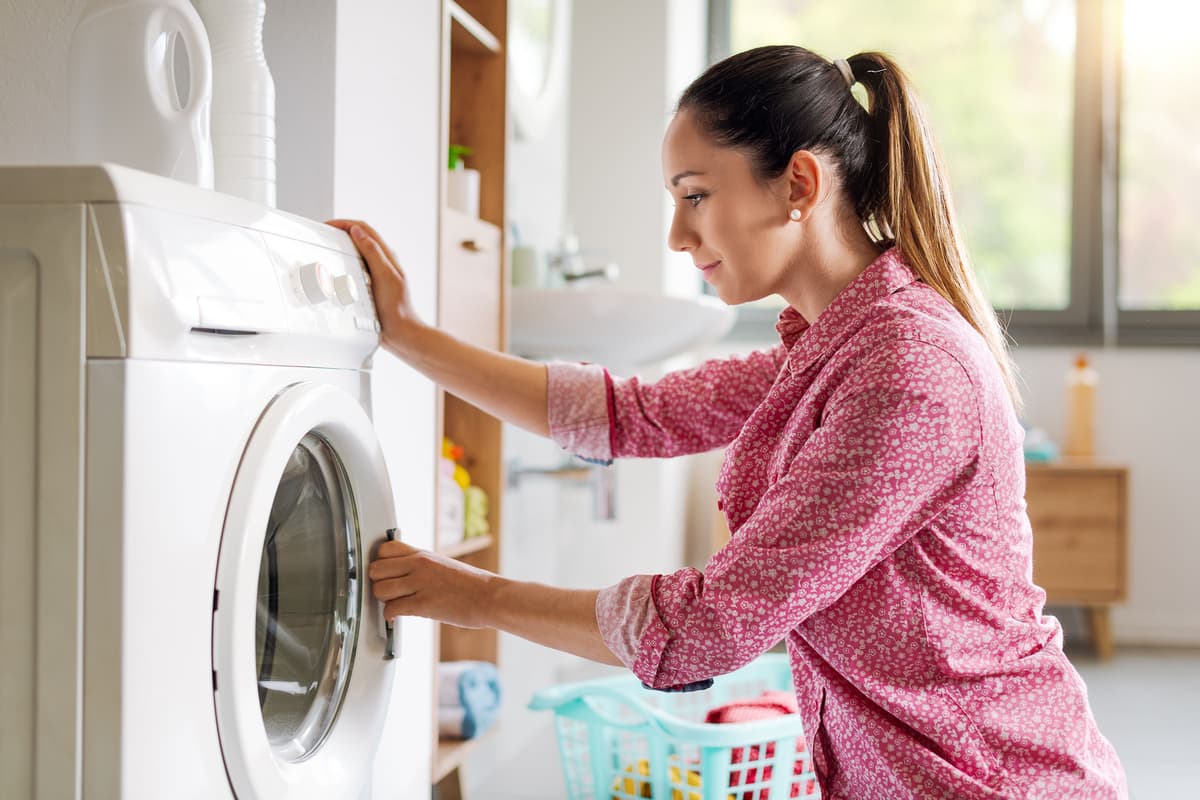
Warm plus wet is a bad combination inside a washing machine. In Louisiana homes, washers can stay damp for long periods, especially in laundry rooms with limited airflow. That creates the perfect environment for mold and mildew to grow around the door gasket, detergent drawer, drum, and internal seals.
Front-load washers are especially vulnerable because water can collect in folds and creases after each cycle. Over time, that trapped moisture can lead to odors, buildup, and more frequent maintenance.
Metal components rust quickly
Humidity does not just affect visible surfaces. It can also damage the metal parts you do not see right away. Screws, hinges, brackets, and internal hardware may corrode faster in damp conditions, especially when moisture lingers indoors for days at a time.
Once rust starts, it can spread gradually and affect both appearance and performance. Handles may discolor, hinges may weaken, and internal parts may wear down sooner than expected.
Refrigerators sweat and leak
In high humidity, refrigerators have to fight condensation constantly. Moisture in the air can collect on doors, around seals, and near the exterior of the unit, especially when the kitchen stays warm. That “sweating” can lead to dripping, musty smells, and added strain on the appliance.
If door seals are not strong or the anti-condensation features are weak, refrigerators may have to work harder just to maintain temperature and manage moisture.
Storm-driven moisture infiltrates homes
In Louisiana, storms do not just affect the outdoors. Heavy rain, flooding, and long stretches of damp weather can raise indoor moisture levels for days. Even homes without direct water intrusion can feel damp after severe weather, and that extra moisture can speed up appliance wear.
Laundry rooms, kitchens, and utility spaces are especially vulnerable because they already deal with heat, water, and limited ventilation. When storm season adds even more humidity to the mix, appliances often feel the impact.
What to look for in appliances for Louisiana and Gulf Coast homes
Some appliance features are especially helpful in humid climates. If you are shopping in Louisiana, look for models built to manage moisture better, resist mold, and perform well even when the air inside your home feels heavy.
Washers
Look for washer features that help reduce trapped moisture after every load. A few details can make a big difference over time.
Mold-resistant rubber compounds. These can help reduce mildew buildup around the gasket and door seal.
Tub-clean reminders. Built-in cleaning alerts make it easier to stay ahead of odor and residue.
High-spin extraction. Faster spin speeds remove more water from clothing, which helps reduce dampness left inside the machine and shortens drying time.
Dryers
Dryers in humid homes need to move moisture out efficiently. The right features can help clothes dry more completely and reduce strain on the machine.
Ventless options for homes with poor airflow. These can be useful in spaces where traditional venting is difficult or where airflow is limited.
High cubic-feet-per-minute (CFM) airflow. Stronger airflow helps move hot, moist air through the appliance more effectively.
Sensor drying. Moisture sensors help prevent over-drying while making sure damp clothes are not left sitting in a humid drum.
Refrigerators
Refrigerators in Louisiana kitchens need to handle condensation, door openings, and heavy indoor moisture. Look for features designed to reduce sweating and protect internal components.
Anti-sweat heater features. These help reduce condensation on doors and exterior surfaces.
Reinforced seals. Better seals help keep humid air out and maintain more consistent cooling.
Corrosion-resistant internal hardware. Moisture-resistant materials can help the appliance last longer in damp environments.
Gulf Coast appliance care tips
Even the right appliance needs the right upkeep in a humid climate. A few simple habits can help reduce moisture damage and keep your washer, dryer, and refrigerator performing better.
Here are a few smart maintenance habits for Louisiana homes:
Run washer cleaning cycles regularly. This helps reduce mold, mildew, and detergent buildup before odors start.
Clean dryer vents more frequently. In humid areas, restricted airflow can make drying less effective and add unnecessary strain.
Monitor for rust on hinges, handles, and screws. Catching early corrosion can help prevent bigger repair issues later.
Dehumidify kitchen and laundry spaces. A small dehumidifier or better room ventilation can help reduce the moisture that causes long-term wear.
These habits may seem minor, but in a Gulf Coast home, they can go a long way toward helping appliances last longer.
How lease-to-own financing helps Louisiana shoppers choose appliances built for humidity
Louisiana shoppers should not have to choose between getting an appliance now and getting one that is actually built for their climate. When humidity is hard on washers, dryers, and refrigerators, choosing the better model upfront can help reduce stress later.
That is where Snap’s lease-to-own financing can help. Instead of settling for a basic appliance that may struggle in Gulf Coast conditions, approved customers can get the features that matter more in a humid home, then pay over time. With Snap, shoppers can apply in minutes and get a decision in seconds. Approved customers may receive $300 to $5,000 in lease-to-own financing and use it at participating retailers. All credit types are welcome to apply.¹
Here is what that can mean for shoppers:
No credit needed¹
Smaller regular payments over time
Access to better moisture-control features
A better chance of choosing a model that fits Louisiana living
For shoppers replacing a washer that smells musty, a dryer that never seems to finish the job, or a refrigerator that struggles in the heat, that flexibility can make a real difference.
Choose for the coast, not the showroom
In a dry climate, you might get away with choosing almost any appliance and hoping for the best. In Louisiana, humidity changes that math. Moisture, heat, and coastal air can all add wear where you do not always see it at first.
So when you shop, look for appliances that are ready for real Gulf Coast conditions. A washer that is easier to dry out. A dryer with stronger moisture sensing. A refrigerator with better humidity control. Those choices can help protect performance, reduce frustration, and keep your home feeling fresher.
And when you need a pay-over-time option, Snap’s lease-to-own financing can help you get the appliance that fits your home now, not just the one that feels like a compromise today.
Interested in learning more? Check out these resources from Snap Finance:
The appliance buying guide: What to look for in a new fridge, washer, or oven
Energy-saving appliances save money (and the planet) year-round
How to tell if it’s time to replace your old appliance
The advertised service is a lease-to-own agreement provided by Snap RTO LLC. Lease-to-own financing is not available to residents of Minnesota, New Jersey, and Wisconsin.
1 Not all applicants are approved. While no credit history is required, Snap obtains information from consumer reporting agencies in connection with applications, and your score with those agencies may be affected.