The essential winter tire buyer’s guide: How to choose the right tires for your climate
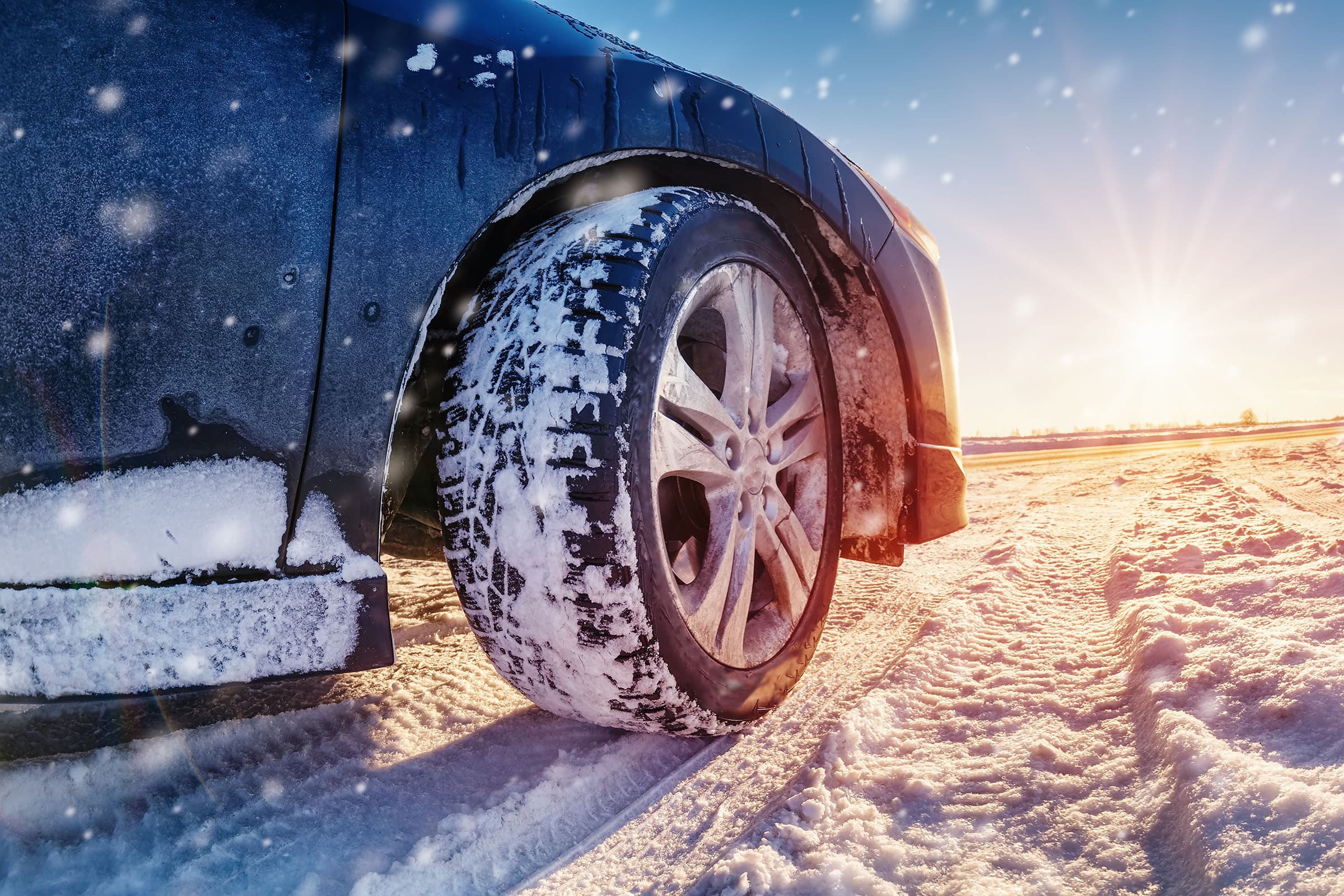
Winter driving requires the right tires, but choosing them can feel confusing. This guide explains tread types, snow ratings, sizing, and climate needs so drivers can make confident choices. It also shows how Snap Finance can help people get the tires they need without paying the full cost upfront.
Takeaways:
Winter tires vary by design, climate suitability, and road conditions, so choosing based on where and how you drive matters.
Understanding labels like the Three Peak Mountain Snowflake symbol helps ensure the tires meet real winter performance standards.
Learning the pros and cons of online vs. in-store tire purchases can help you make the right choice for your situation.
Many drivers underestimate how much winter tires affect stopping distance, traction, steering control, and even fuel performance. When temperatures drop, rubber stiffens, road surfaces become unpredictable, and snowpack or ice can turn everyday routes into safety hazards. A quality set of winter tires can cost $600-1,200 depending on size and type, and choosing the wrong ones can lead to poor handling, uneven wear, or wasted money.
This guide demystifies winter tire shopping, helping you compare tread designs, snow ratings, and sizing based on your climate and driving habits. It also explains how to pay over time with Snap Finance’s lease-to-own financing so you don’t have to put off buying the tires you need.
Understanding the three types of winter tires
Winter tires are not all the same. The right choice depends on weather severity, road conditions, vehicle type, and how often you drive in snow or ice. Here’s how the three main categories compare.
Studded vs. studless
Studded tires include small metal pins embedded in the tread. These pins dig into icy surfaces for better grip. Studded tires can be useful when:
You regularly drive on packed ice
Roads in your area are untreated for long periods
You live in rural or mountainous regions where plowing is limited
However, studs are not ideal for everyone. Many states restrict or prohibit studded tires because they can damage pavement and create ruts that worsen driving conditions for others. Before choosing studded tires, check:
Whether your state limits studded use seasonally
Whether local road crews sand or salt frequently
Whether noise and vibration matter to you
Studless winter tires use rubber compounds and siping patterns to grip snow and slush without metal studs. They are quieter, more comfortable, and safer on dry pavement compared to studded tires. For most drivers, studless tires provide the best balance of performance and practicality.
Performance winter tires
Performance winter tires are made for mild climates where winter roads are mostly wet or lightly covered in snow. They offer:
Stronger handling and steering feel
Less aggressive tread patterns
Improved high-speed stability
However, they are not ideal for deep snow or repeated ice exposure. If you live somewhere that sees occasional flurries but not constant storms, performance winter tires may be enough.
All-weather tires vs. winter tires
All-weather tires are often confused with winter tires, but they are not the same. All-weather tires work when:
Winters are mild
Temperatures hover above freezing most days
Snow is occasional, not constant
Winter tires are non-negotiable when:
Temperatures stay below freezing
Snowpack remains on the roads
You drive in mountains or rural areas regularly
All-weather tires are a compromise, while winter tires are purpose-built. If safety and traction are priorities, true winter tires are the better choice.
How to read winter tire labels
Tire labels contain important information that affects safety and compatibility. Understanding these markings ensures you get a tire designed for winter performance rather than one that only looks aggressive.
Three Peak Mountain Snowflake (3PMSF) symbol: This confirms the tire has passed certified snow-traction testing. If a tire doesn’t have the symbol, it isn’t a real winter tire.
Load index and speed rating: These determine how much weight the tire can carry and the maximum safe speed. Match them to your vehicle manual or door-jamb sticker.
Tread depth expectations: New winter tires usually have 10/32-12/32 inches of tread. Once they reach 6/32, winter performance drops sharply.
Checking these details helps ensure you’re selecting tires that meet winter safety standards.
How to choose winter tires based on driving conditions
Your best tire choice depends on where and how you drive, not just what’s available at the store.
Urban commuters: Wet slush, stop-and-go braking, and plowed streets make studless winter tires the best fit.
Rural or high-snowfall drivers: Deep snow traction matters, so aggressive tread patterns or studded options may be necessary.
ICE vs. AWD/4WD: While all-wheel-drive (AWD) helps you go, it does not help you stop. Both AWD and front-wheel drive vehicles benefit from winter tires.
Highway vs. mountain driving: Highways favor stability and predictable handling, while mountain driving prioritizes grip and slope control.
Matching conditions to tire design improves confidence and safety throughout winter.
Snap’s lease-to-own financing for your winter tires
Winter tires are essential for safe driving, but the upfront cost can discourage people from buying them when they need them most. Snap Finance’s lease-to-own financing offers a way to pay over time so drivers don’t delay important safety upgrades.
Here’s how it works:
All credit types welcome to apply1
Fast decisions
Get your tires now and then pay over time
Get up to $5,000 in lease-to-own financing2
As an example, suppose a driver needs a $900 set of winter tires before the season’s first storm. Instead of waiting until payday or using a credit card, they lease the tires through Snap Finance and take them home right away. They drive safely now and pay over time, without risking worn-out tires in dangerous conditions in the meantime.
Apply online today for tire financing
Find a tire shop near you
In-store vs. online tire shopping tips
Both shopping methods have advantages, and many drivers combine them to compare prices and features.
In-store benefits
Hands-on tread comparison
Professional sizing guidance
On-site installation scheduling
Personalized recommendations
Online benefits
Wider selection
Transparent pricing
Customer reviews
Bundled deals with mounting and balancing
If you shop online, confirm:
Shipping timelines
Return policies
Installation partner availability
If you shop in-store, ask:
Whether they carry 3PMSF-rated tires
If they stock your size during winter demand
Whether Snap Finance can be used at that location
The road ahead
Choosing winter tires doesn’t have to be stressful. When you understand how tread patterns, snow ratings, and climate needs work together, you can pick the right set with confidence. The right tires reduce braking distance, improve steering control, and help you feel secure on icy or snowy roads. And with Snap Finance, you don’t have to postpone getting the tires that keep you safe through the season.
Apply today and get the winter tires you need from Snap Finance partner tire shops.
The advertised service is a lease-to-own agreement provided by Snap RTO LLC. Lease-to-own financing is not available to residents of Minnesota, New Jersey, and Wisconsin.
1 Not all applicants are approved. While no credit history is required, Snap obtains information from consumer reporting agencies in connection with applications, and your score with those agencies may be affected.
2 Approval amounts vary from $300 to $5,000, subject to underwriting, and apply only to the cash price of leased items.