Upgrade your car audio without the upfront cost
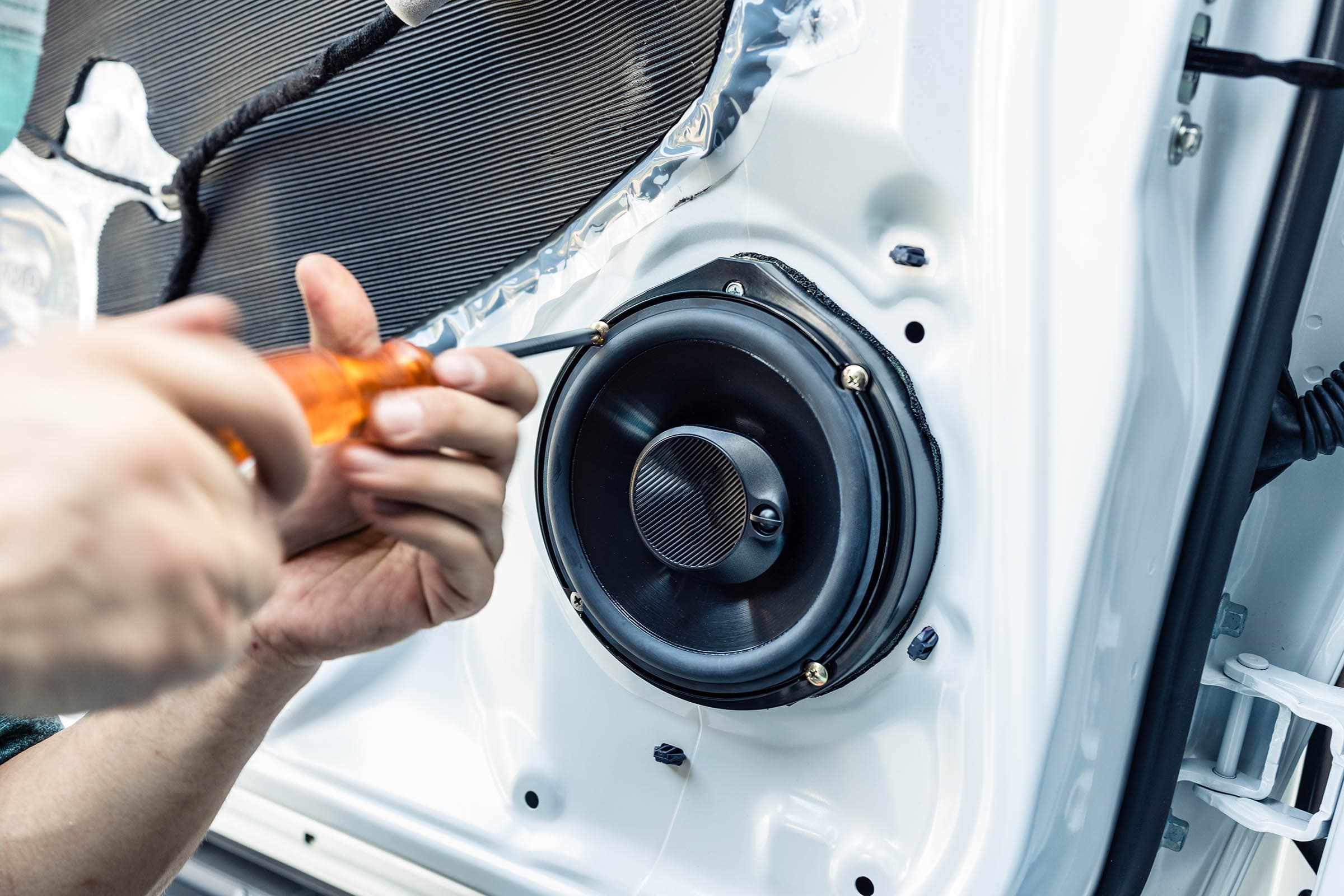
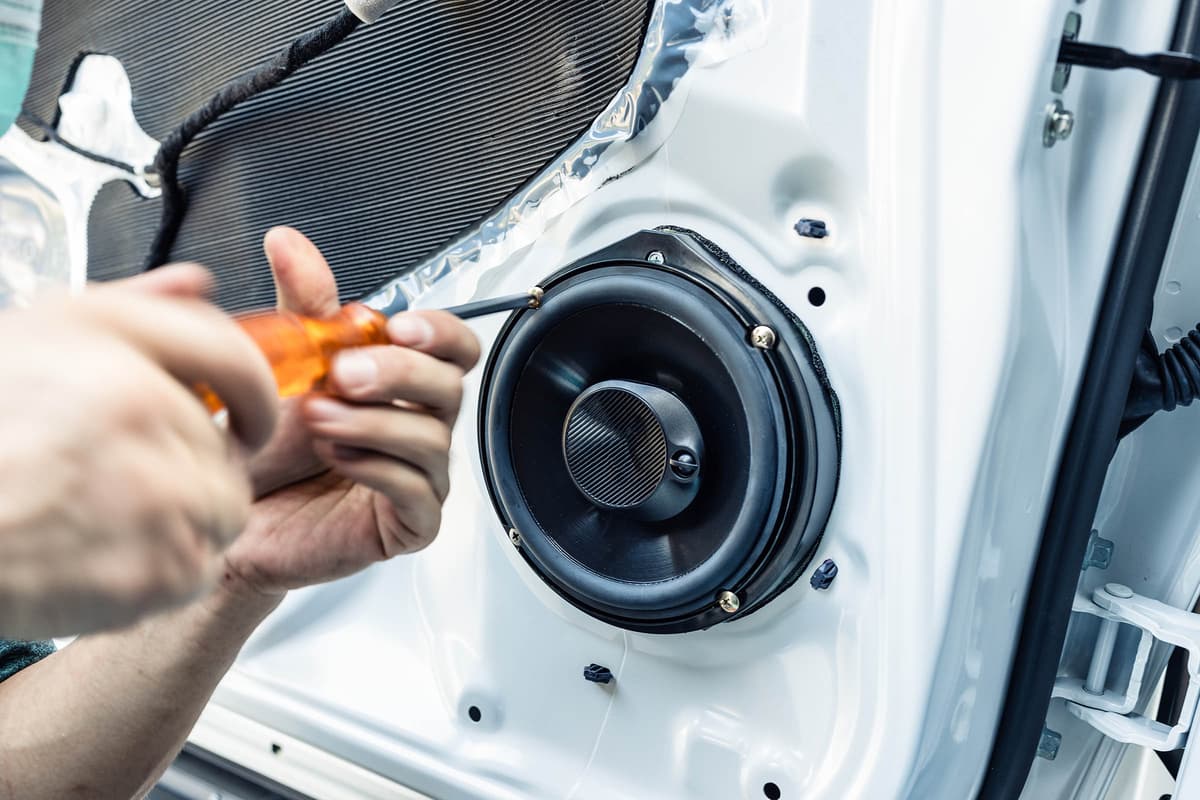
A car audio upgrade can transform your driving experience, but the cost of quality equipment and installation quickly adds up. Learn how to budget for the sound system you want, compare financing options, and pay over time with Snap Finance’s lease-to-own financing.
Key takeaways
Quality audio is an investment. A complete car audio upgrade with speakers, an amplifier, a subwoofer, and installation can range from $1,500 to $5,000+.
Consider upgrading in stages. Start with the head unit and front speakers, which deliver the biggest improvement in everyday listening.
Installation matters as much as equipment. A properly installed and tuned system often outperforms more expensive gear that was installed poorly.
Pay over time, not all upfront. Snap Finance’s lease-to-own options help you get the upgrade you want without the upfront cost, and without perfect credit.1
A quality car audio system is an investment – not an impulse buy.
An upgraded car audio system can completely transform your driving experience: Whether you're sitting in traffic during your morning commute, heading out on a road trip, or just enjoying your favorite playlist after work.
The challenge is that the cost of quality car audio equipment (and installation) quickly adds up. A complete upgrade – which typically includes component speakers, an amplifier, a subwoofer, sound treatment, and professional installation – can range between $1,500 and $5,000+ depending on the vehicle and components selected.
These numbers make a bit more sense when you consider that the U.S. automotive specialty-equipment aftermarket industry generated more than $52 billion in consumer sales. Investing in your vehicle – whether replacing worn-out tires or enhancing entertainment – is a common priority for many drivers across the country.
While car upgrades are commonplace, paying what’s required for a quality system isn’t realistic for many. Traditional financing can also be difficult for those with less-than-perfect credit in a category that’s often viewed as discretionary.
With Snap Finance’s lease-to-own financing, you can get the sound system you want without paying for everything upfront – and without needing perfect credit.1 Snap is accepted at thousands of car audio and automotive retailers nationwide, giving you access to a range of options at various price points.
The key is understanding which upgrades deliver the biggest difference in sound quality and which expenses are worth planning for. Below, we'll walk through the components, costs, financing options, and buying tips that can help you get the most from your investment.
What’s included in a car audio upgrade?
Many think a car audio upgrade means adding a subwoofer to the trunk, but in reality, a well-balanced system is made up of several components that work together.
Head unit (receiver): $200 - $1,500
The head unit is the command center of your audio system. Modern receivers often include Apple CarPlay, Android Auto, Bluetooth connectivity, touchscreen displays, backup camera support, and HD Radio.
Expect to spend anywhere from $200 to $1,500 depending on features and vehicle compatibility. For many daily drivers, upgrading the head unit provides the biggest improvement in convenience and functionality.
Component speakers: $300 - $1,500
Factory speakers are often designed to meet a budget, not deliver exceptional sound quality – which is why many drivers choose to upgrade to component speakers.
Component speakers separate the tweeters and woofers, creating cleaner highs, better detail, and a more realistic listening experience. A quality set typically costs between $300 and $1,500.
Amplifier: $300 - $1,500+
An amplifier provides clean power to your speakers and subwoofer. Even high-quality speakers can sound disappointing when they're powered only by a factory stereo.
Amplifiers generally range from $300 to $1,500 or more. While they aren't always the first upgrade people consider, they're often what unlocks the full potential of the rest of the system.
Subwoofer: $200 - $1,500
A subwoofer adds the low-end bass that factory systems struggle to produce.
Whether you enjoy rock, country, hip-hop, electronic music, or podcasts, a properly tuned subwoofer creates a fuller and more balanced sound. Costs generally range from $200 to $1,500 depending on size, enclosure type, and performance level.
Sound deadening: $300 - $1,000+
Sound deadening materials reduce road noise, vibration, and unwanted rattles. It's one of the most overlooked upgrades in car audio, yet many installers will tell you that reducing outside noise can improve perceived sound quality as much as some hardware upgrades.
Depending on how much of the vehicle is treated, sound deadening can range between $300 and $1,000+. The lower end typically includes treatment for the doors and trunk areas while the upper end offers more comprehensive coverage.
Installation: $25 - $2,500+
Even the best equipment can sound mediocre if it's installed poorly.
Professional installation often ranges from $25 to $2,500+ depending on vehicle complexity, wiring requirements, fabrication work, and tuning needs. Installation is one area where it’s highly recommended to not cut corners.
Tier-by-tier: What to expect at each budget
Not every audio upgrade needs to cost thousands of dollars. Here's what to generally expect at different price points, without considering installation costs.
Entry-level systems: $200 - $500
At this basic level, most drivers focus on replacing the head unit and upgrading speakers.
Some systems may also include a basic amplifier. The result is a noticeable improvement over factory audio – as well as the addition of features like Bluetooth and USB connectivity – without a major investment.
Mid-tier systems: $500 to $2,000
This is recommended for the daily driver.
Mid-range systems tend to include a quality head unit, component speakers, an amplifier, and a basic subwoofer, which combine to deliver strong performance for everyday driving that satisfies most listeners.
Premium-tier systems ($2,000 to $10,000+ installed)
Premium systems use higher-end components from bumper to fender.
Expect upgraded amplification, better speakers, stronger bass performance, extensive sound deadening, and professional tuning. Consider this the full package for drivers wanting a top-of-the-line audio experience.
Show builds
These systems are built for competition and display, but also for enhanced listening.
Custom enclosures, multiple amplifiers, advanced DSP tuning, custom fabrication, and exotic speaker combinations are common. While not necessary for most drivers, they represent the highest end of the car audio market.
What financing options are available for car audio?
Once you've decided what system you want, the next question is how to pay for it.
Pay cash if you can
Paying cash is typically the least expensive option overall. The reality, though, is that many shoppers aren't eager or able to spend the upfront cost on a discretionary purchase.
While recommended, there are alternate options to upgrading to the car audio you want, without paying thousands of dollars all at once.
Audio shop promotional financing
Some larger retailers and specialty chains offer promotional financing through lenders such as Synchrony and similar providers.
These programs can be useful if you qualify, but approval often depends on your credit profile.
Credit card
A credit card may work if you have enough available credit and a plan to pay the balance quickly. The downside is that carrying a large balance for an extended period can become expensive.
Snap’s lease-to-own financing
For those who may not qualify for traditional financing due to limited credit history or less-than-perfect credit, Snap Finance’s lease-to-own financing might work for you.1
There is no credit score requirement to apply,1 and payments are aligned with your pay schedule. Plus, Snap is accepted at thousands of participating retailers, including many independent and regional car audio shops across the country.
How do I use Snap at a car audio shop?
Using Snap’s lease-to-own financing at a car audio retailer is straightforward. Here’s the process and some best practices.
1. Find a participating audio shop
As noted above, Snap works with a large network of car audio retailers – from large regional chains to independent car audio specialists. Use Snap's Store Locator to find participating retailers in your area.
Once you find the participating shop that offers the components and budget you’re looking for, it’s time to apply.
2. Apply for lease-to-own financing
Apply for Snap before heading in store. The application is simple, only takes a few minutes, provides quick responses, and doesn’t impact your FICOⓇ score.1
If approved, you can then visit your retailer of choice knowing your exact approval amount. If you’d rather, you can also apply in-store using your smartphone.
3. Bundle components and installation in one lease
In many cases, shops can include the head unit, speakers, amplifier, subwoofer, and accessories in a single lease agreement. This means fewer transactions and less complexity.
Be sure to ask the associate if they can bundle every line item of your audio upgrade. Keep in mind that there are restrictions for using lease-to-own financing for related installation costs. Ask the associate for more information.
4. Align payments to your pay schedule
Rather than paying the total upfront cost all at once, coordinate your payments with your paycheck cycles.
Pay over time, get what you need all at once, and enjoy your upgraded sound system today.
How do I make a smart car audio upgrade?
A bigger budget doesn't automatically guarantee a better system. Here’s how to make the best decision for your budget and needs.
Prioritize the head unit and front speakers
If you're upgrading in stages, start here.
Your head unit and front speakers influence almost everything you hear every time you drive. A modern receiver can improve connectivity, functionality, and sound quality, while upgraded front speakers can dramatically improve clarity, detail, and overall listening enjoyment.
Many installers recommend getting the source unit and front stage right before investing heavily in amplifiers or bass upgrades. Building a strong foundation first often leads to better overall results and makes future upgrades more effective.
Don't skip sound deadening on older vehicles
Road noise can overwhelm even expensive equipment.
Sound-deadening materials help reduce vibrations, rattles, and outside noise, allowing you to hear more of your music and less of the road. This can be especially beneficial in older vehicles, trucks, and vehicles that spend a lot of time on highways.
In many cases, even a modest investment in sound treatment delivers a more noticeable improvement than spending the same amount on additional audio hardware.
Use a reputable installer
Installation quality matters.
A well-installed $1,000 system may outperform a poorly installed $3,000 system. Proper wiring, speaker placement, tuning, and integration all play a major role in how a system ultimately sounds.
Before choosing a shop, look for strong customer reviews, examples of previous work, and technicians with experience installing systems similar to the one you're considering. The right installer can help you avoid costly mistakes and get more value from every dollar you spend. Installation costs may not be able to be included in your lease agreement.
Consider resale limitations
Custom audio systems rarely increase vehicle resale value by the amount you spend on them.
While aftermarket audio may make the vehicle more enjoyable for you, future buyers may not place the same value on the upgrades. Some buyers appreciate a custom system, while others prefer a factory setup or may have concerns about modifications.
If you expect to sell or trade in your vehicle within the next few years, it may be worth focusing on upgrades that improve your driving experience without going so far into customization that recovering your investment becomes unlikely.
Is there anything to consider after the upgrade?
Yes – installation day isn't the end of the process. A few simple steps after your upgrade can help you get the best possible performance from your new system and maximize the value of your investment.
Break the system in
Many speakers sound slightly different after they've been used for a while. During the first 50 to 100 hours of listening, the speaker components gradually loosen up and settle into their normal operating range, which can improve overall sound quality.
Because of this, try not to make final judgments about your new system on day one. Give yourself some time to listen to different types of music and allow the system to break in naturally before deciding whether any adjustments are needed.
Get a professional tune
Even high-quality equipment can underperform if it isn't tuned correctly. Professional tuning is often what separates a good-sounding system from a great one.
An experienced installer can adjust crossover points, equalization, timing, and output levels to create a more balanced listening experience. The result is often clearer vocals, tighter bass, improved imaging, and a soundstage that feels more natural throughout the vehicle.
Use Snap's early ownership options if you can
If you receive a tax refund, work bonus, or other unexpected cash, consider putting some of that money toward your lease.
Snap Finance offers multiple payment plans with different payment amounts and durations, including early ownership options to help you save on lease costs.2
A sound plan
Understand the cost. Know what gets you the best results. Pay over time – not all upfront.
Whether you’re replacing an outdated factory stereo or building a full custom setup, upgrading your car audio requires a bit of planning. And if paying thousands upfront isn’t part that plan, Snap Finance’s lease-to-own financing can help.
Green means go: apply for car audio financing with Snap. If you’re shopping online, you can also browse car electronics and audio products through Flexshopper.
The advertised service is a lease-to-own agreement provided by Snap TRO LLC. Lease-to-own financing is not available to residents of Minnesota, New Jersey, and Wisconsin.
Some restrictions may apply on leasable auto parts, electronics, or sporting goods. Please check with merchants for details.
1 Not all applicants are approved. No credit history is required. Snap obtains information from consumer reporting agencies in connection with your application; this does not impact your FICO® Score, though other credit scores may be affected.
2 To exercise the Initial Promotional Period option, consumers must make all scheduled payments on time and either (2) ensure the required amount is paid within the applicable timeframe through the customer portal, or (2) contact Customer Care at 1-877-557-3769 to schedule payments to ensure the required amount is paid within the applicable timeframe. The cost and duration of the Initial Promotional Period may vary based on merchant location and product.